





The DIY Barndominium Checklist: What You Can Actually Do (And Shouldn’t)
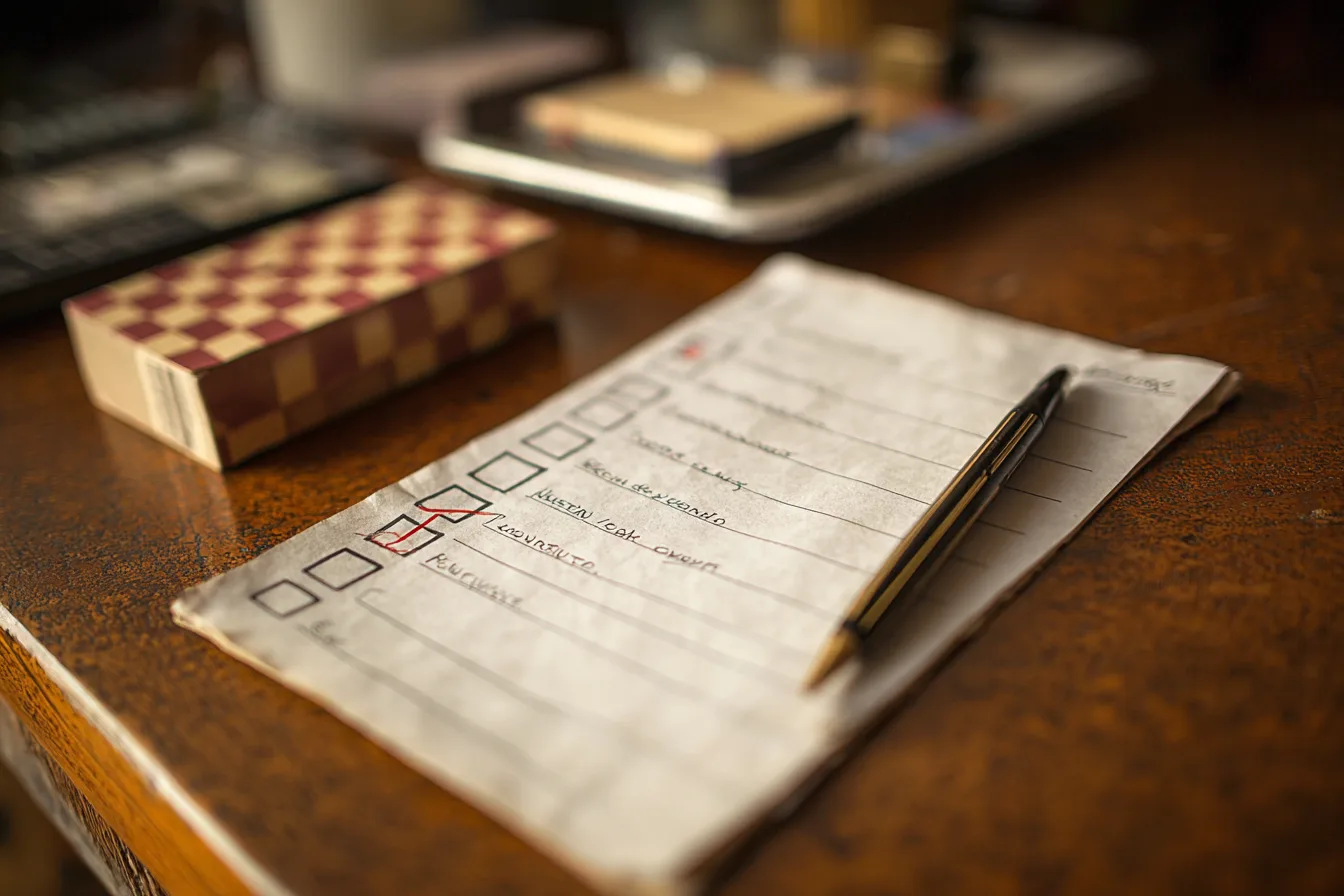
- A realistic DIY barndominium checklist separates true DIY tasks from work that must be engineered or done by licensed pros.
- Planning, finishes, and some interior framing are usually safe DIY; structure, electrical, plumbing, and HVAC are rarely fully DIY.
- Following trade best practices from groups like HBI improves quality, safety, and inspection approval.
Barndominiums attract DIYers because they look simple: a steel shell, open floor plan, and lots of flexibility. In reality, a barndo is a full-code, permanent residence, not a shed. That means engineering, inspections, and life-safety standards identical to any new home.
This DIY barndominium checklist is built from a builder’s point of view. It outlines what you can reasonably do yourself, what you might DIY with guidance, and what you should absolutely leave to licensed professionals if you want to pass inspection and protect your investment.
1. Pre-Construction Planning (Mostly DIY)
1.1 Site selection and feasibility
Before you touch a tool, your checklist should start with feasibility. Most of this can be done DIY with some phone calls and research.
- Confirm zoning allows residential barndominiums.
- Check setbacks, height limits, and minimum square footage.
- Verify access for large trucks (steel delivery, concrete, trusses).
- Identify utility availability: power, water, sewer or septic, gas/propane.
1.2 Floor plan and shell layout
Drafting your own conceptual floor plan is a solid DIY task. Use it to communicate with a barndominium builder or engineer.
- Rough-sketch your overall building footprint and orientation.
- Lay out room sizes, window and door locations, and traffic flow.
- Decide on shop vs. living area separation (fire and sound considerations).
- Plan for future expansions, porches, or mezzanines.
At this stage, bringing in an experienced barndominium team helps you convert sketches into efficient, buildable layouts. Our team explains this collaborative process in detail on our about page.
2. Engineering, Codes, and Permits (Pro-Led)
2.1 Structural engineering
This is not a DIY area. A barndo’s steel or post-frame shell, lateral bracing, and connections must be engineered for wind, snow, and seismic loads. Many building departments require stamped plans.
A complete DIY barndominium checklist must include:
- Engineered structural drawings for the shell and any second floors.
- Foundation/slab design sized for your soil and building loads.
- Load paths verified from roof to foundation.
2.2 Permits and inspections
While you can submit the paperwork yourself, expect to coordinate closely with building officials:
- Building permit application (with engineered plans).
- Septic or sewer approval.
- Driveway/culvert permits if required.
- Electrical and mechanical permits (often separate).
Trade groups such as the Home Builders Institute (HBI) emphasize code familiarity as a core skill for professionals. As an owner-builder, budget extra time for plan review and inspection corrections.
3. Site Work and Foundation: Limited DIY
3.1 What you can usually DIY
- Site clearing of smaller trees and brush (if safe).
- Rough layout of the building corners with stakes and string.
- Jobsite organization: material staging, waste management.
3.2 What should be done by pros
Foundation errors are expensive or impossible to fix later. Your checklist should flag these as pro-only items in most jurisdictions:
- Excavation and final grading for drainage.
- Forming and pouring the concrete slab or stem walls.
- Vapor barrier, reinforcement, proper control joints, and anchor bolts.
Improperly placed anchor bolts or out-of-level slabs make erecting a steel barndo shell a nightmare. This is where an experienced crew saves both time and money.
4. Shell Erection and Framing: Advanced DIY or Pro
4.1 Steel or post-frame shell
Some owner-builders with equipment and experience erect their own shells. For most, this is at least a hybrid approach:
- DIY-possible tasks:
- Unloading and inventorying materials.
- Assisting a pro crew as labor to reduce costs.
- Installing simple trim or non-structural details under supervision.
- Pro-only tasks:
- Setting columns and beams.
- Roof framing and sheathing or metal panel installation.
- Ensuring bracing and connections meet engineering specs.
4.2 Interior framing
Interior non-load-bearing walls are a reliable DIY area for detail-oriented owners. Your checklist for DIY interior framing should include:
- Confirm which walls are non-structural with your builder/engineer.
- Snap accurate chalk lines and verify square.
- Frame walls to consistent heights, accounting for plumbing and ducts.
- Use proper fastening schedules and fire-blocking where required.
Training resources aligned with standards taught by groups like HBI can help you understand the difference between structural and non-structural framing practices.
5. MEP Systems (Mechanical, Electrical, Plumbing): Mostly Pro
5.1 Electrical
National Electrical Code (NEC) compliance is life-safety critical. Many areas allow limited homeowner electrical work, but the main service and panel almost always require a licensed electrician.
DIY-possible tasks, depending on local rules:
- Running pre-approved branch circuit cables under electrician supervision.
- Installing boxes at pre-marked locations.
- Mounting light fixtures after the electrician has wired and inspected the circuits.
Pro-only:
- Main service entrance, meter base, and panel wiring.
- Grounding and bonding.
- All final terminations and breaker sizing.
5.2 Plumbing
Improper plumbing risks contamination, leaks inside closed walls, and failed inspections. Your DIY barndominium checklist should clearly separate:
- DIY-possible: installing tubs or shower bases, mounting vanity cabinets, setting toilets after rough-in, and simple fixture swaps.
- Pro-only: underground drain/waste/vent (DWV), pressure water lines in walls, and all connections to well/septic or municipal systems.
5.3 HVAC
Modern HVAC involves duct design, load calculations, and refrigerant handling. Most jurisdictions and manufacturers require licensed installers.
What you can usually DIY:
- Cutting and framing interior chases for ducts.
- Installing smart thermostats (once the system is commissioned).
- Sealing simple duct joints with approved mastic or tape under guidance.
6. Insulation, Air Sealing, and Building Envelope
6.1 Spray foam vs. batts vs. hybrids
The building envelope is often overlooked by DIYers. In a steel barndo, condensation control is critical.
Pro tasks commonly include:
- Closed-cell spray foam installation.
- Blown-in attic insulation with baffles and proper ventilation.
DIY-friendly tasks:
- Installing faced fiberglass batts in interior partitions for sound control.
- Detail air sealing: foam around penetrations, gaskets at outlets, caulking base plates.
7. Drywall, Trim, and Interior Finishes (Prime DIY Territory)
7.1 Drywall
Hanging drywall is very approachable for DIYers; finishing (taping and mudding) is skill-dependent. Your checklist:
- Confirm all rough-in inspections are passed before covering walls.
- Install backing where needed for cabinets and heavy fixtures.
- Hang drywall with correct fastener spacing and staggered seams.
- Decide whether to DIY finish or hire a pro taper for speed and quality.
7.2 Flooring, doors, and trim
This is where many DIY barndominium owners save the most money.
- DIY-friendly:
- Click-together LVP or laminate flooring.
- Interior door hanging with patience and shims.
- Baseboard and casing installation with a miter saw and nailer.
- Painting, stain, and clear coats.
- Pro-recommended:
- Custom tile showers (waterproofing is critical).
- Complex stair systems or railings required by code.
8. Exterior Details and Final Punch List
8.1 DIY exterior tasks
- Simple decks and landings (with pro review for code compliance).
- Basic landscaping, gravel drives, and lawn establishment.
- Gutters and downspouts, if you’re comfortable with ladders.
8.2 Final inspections and documentation
Before you move in, your DIY barndominium checklist should end with:
- Walk-through with each trade to confirm corrections are done.
- As-built documentation: photos of framed walls before drywall, locations of underground lines, and shutoff valves.
- Collection of all manuals, warranties, and inspection sign-offs.
Putting Your DIY Barndominium Checklist to Work
A realistic DIY barndominium checklist is less about doing everything yourself and more about making smart choices: investing in pros where safety and code demand it, and using your own sweat equity where it won’t compromise structure, durability, or inspections.
If you want a builder who embraces owner involvement while keeping the technical side airtight, our team at Barndo Builders is structured around exactly that partnership. Learn how we blend professional management with DIY-friendly scopes on our about page.
Use this checklist as your starting framework, customize it to your site and local codes, and you’ll approach your barndominium project with clear eyes—and a lot fewer costly surprises.


What do you think?
It is nice to know your opinion. Leave a comment.