






Soil Testing for Barndominium Foundations: Why It Matters
Barndominiums are known for their durability, efficiency, and cost-effectiveness—but none of that matters if the foundation beneath them fails. That’s where barndominium soil testing comes into play. Before concrete is poured or posts are set, understanding the soil beneath your structure is one of the most critical steps in the entire building process.
Whether you’re constructing a steel-framed barndo or a hybrid pole barn design, proper site preparation ensures long-term structural integrity. If you’re exploring foundation and framing systems, see our guide to pole barns construction design for additional structural context.
What Is Barndominium Soil Testing?
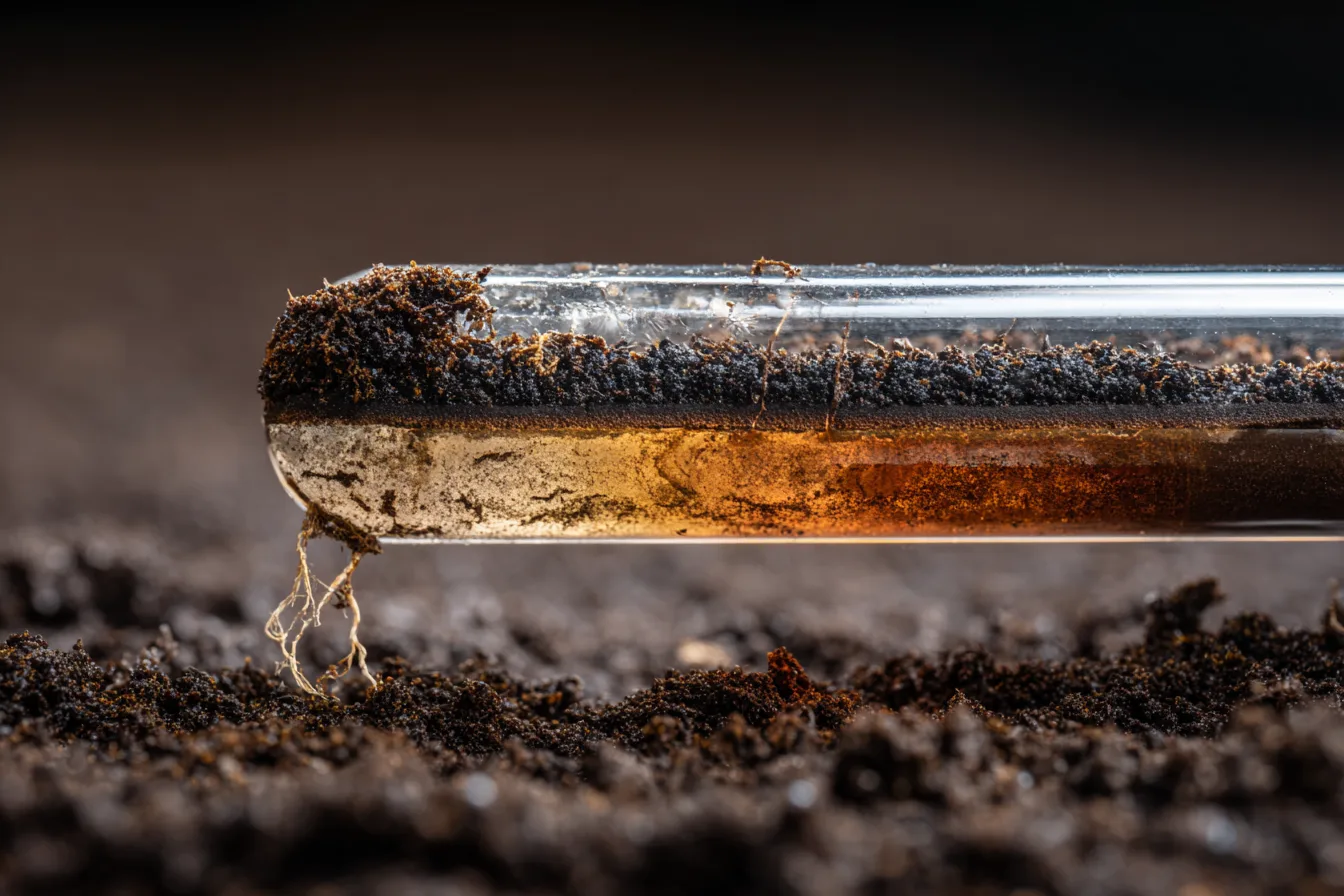
Barndominium soil testing is a geotechnical analysis that evaluates the soil’s physical and chemical properties. These tests determine whether the ground can safely support your structure and what type of foundation system should be used.
Common Soil Properties Evaluated
- Load-bearing capacity
- Soil composition (clay, sand, silt, gravel)
- Moisture content
- Compaction level
- Expansiveness (shrink/swell potential)
- Drainage characteristics
According to standards from the Natural Resources Conservation Service (NRCS), soil composition and behavior vary significantly across regions, making testing essential rather than optional.
Why Soil Testing Matters for Barndominiums
Skipping soil testing might save money upfront, but it often leads to expensive repairs and structural issues later. Barndominiums, particularly those with large open spans, rely heavily on stable foundations.
1. Ensures Structural Stability
Your foundation distributes the load of the entire structure. If the soil cannot support that load, you risk:
- Uneven settling
- Cracked slabs or footings
- Structural warping
2. Determines the Right Foundation Type
Soil testing directly influences your foundation design. Depending on conditions, your builder may recommend:
- Slab-on-grade foundations
- Pier and beam systems
- Deep foundations with pilings
- Reinforced post-frame construction
Without testing, choosing the wrong foundation type can compromise the entire build.
3. Prevents Drainage and Moisture Issues
Poor drainage leads to water pooling under or around your foundation, causing erosion and shifting. Soil testing identifies permeability and helps plan proper grading and drainage systems.
4. Reduces Long-Term Costs
While testing costs a few hundred to a few thousand dollars, it can prevent tens of thousands in repairs. Foundation correction is one of the most expensive fixes in construction.
Types of Soil Tests Used in Barndominium Construction
Visual Soil Inspection
A basic assessment performed by experts to identify obvious issues like organic material or loose fill.
Standard Penetration Test (SPT)
Measures soil resistance to penetration, helping determine load-bearing capacity.
Atterberg Limits Test
Evaluates how soil behaves with moisture changes—critical for identifying expansive clay.
Proctor Compaction Test
Determines optimal moisture content for compaction, ensuring stability during construction.
Percolation Test
Measures drainage rates, especially important for septic system planning.
Step-by-Step Soil Testing Process
- Site Evaluation: A geotechnical engineer reviews terrain and site history.
- Soil Sampling: Boreholes or test pits are created to collect samples.
- Laboratory Testing: Samples are analyzed for composition and strength.
- Report Generation: Engineers provide recommendations for foundation design.
- Construction Planning: Builders adjust design based on findings.
How Soil Conditions Affect Barndominium Design
Clay Soils
Highly expansive and prone to shifting. Requires reinforced foundations and moisture control strategies.
Sandy Soils
Good drainage but low cohesion. May need compaction and stabilization.
Rocky Soils
Excellent load-bearing capacity but may increase excavation costs.
Loamy Soils
Ideal balance of drainage and stability—preferred for most builds.
When Should You Perform Soil Testing?
Soil testing should be done before purchasing land or at least before finalizing construction plans. Early testing allows for smarter decision-making and budgeting.
If you’re still in the planning stages, explore additional preparation strategies on our site’s resources page: Barndo Builders.
Key Takeaways
- Barndominium soil testing is essential for safe, durable construction
- It determines foundation type, drainage needs, and load capacity
- Testing prevents costly structural issues and repairs
- Different soil types require different engineering solutions
- Always conduct testing early in the site preparation phase
Cost of Barndominium Soil Testing
The price of soil testing varies based on location, site size, and complexity. Typical costs include:
- Basic soil test: $500–$1,000
- Comprehensive geotechnical analysis: $1,500–$3,000+
Considering the potential risks, this is a small investment compared to foundation repair costs.
Final Thoughts
Barndominiums are built to be strong, efficient, and long-lasting—but only if the ground beneath them is properly understood and prepared. Skipping soil testing is a gamble that rarely pays off. By investing in proper geotechnical analysis, you ensure your barndo stands solid for decades.
In construction, what you don’t see matters most—and that starts with the soil beneath your foundation.


What do you think?
It is nice to know your opinion. Leave a comment.