


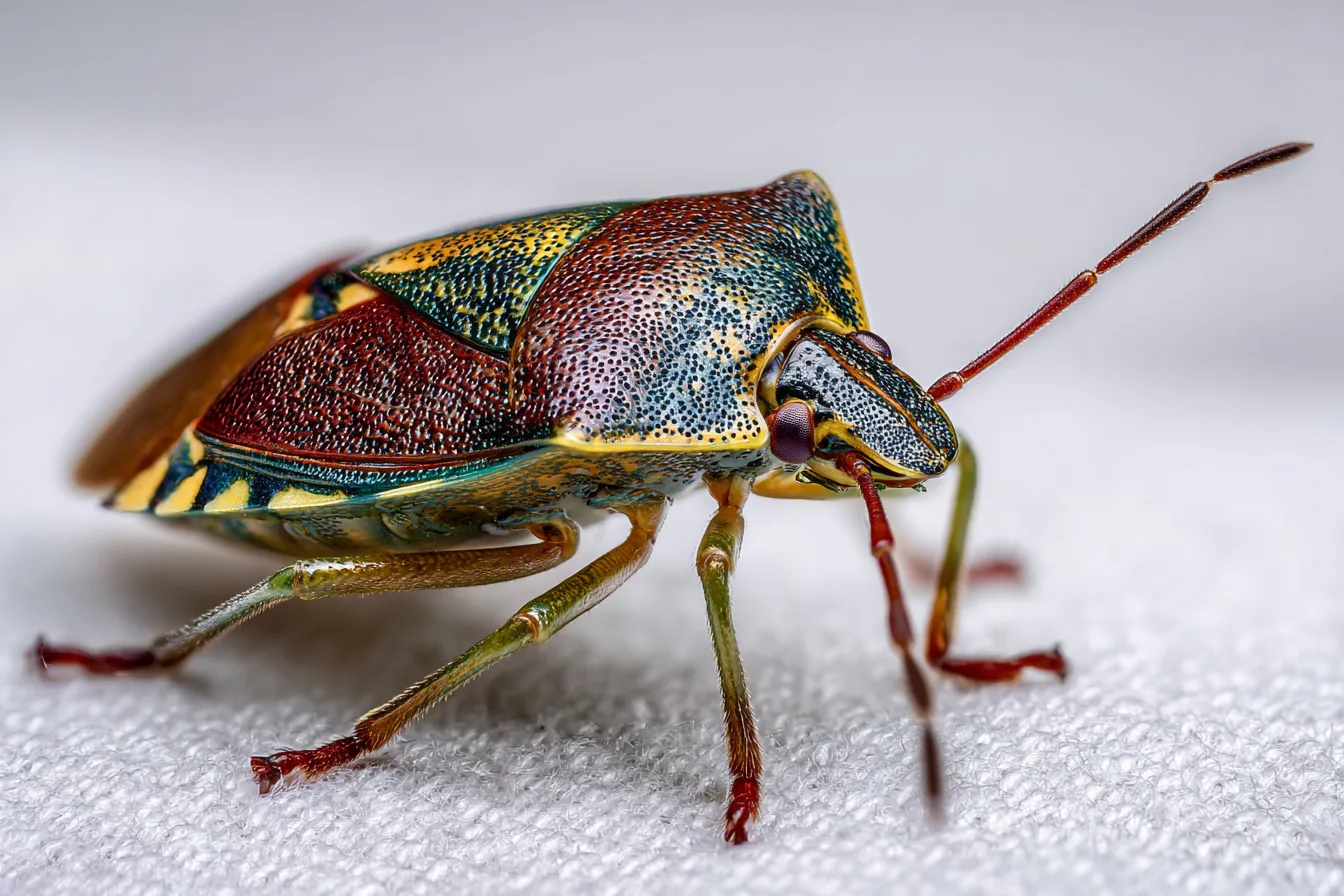






Pest Control Strategies for Rural Metal Buildings and Barndominiums
- Barndominium pest control is won or lost in design and sealing of the building shell.
- Rural metal structures are highly attractive to rodents, insects, and wildlife without proactive defenses.
- Prioritize exclusion and habitat reduction before reaching for chemicals.
- Routine inspections and seasonal maintenance prevent most infestations from ever starting.
Rural living brings two realities: wide-open views and a constant battle with pests. Barndominiums and other rural metal buildings are inherently durable, but their hybrid nature (part home, part shop or barn) makes them uniquely vulnerable to rodents, insects, and wildlife if not detailed and maintained correctly.
This guide breaks down a building-science-based approach to barndominium pest control, focusing on prevention and long-term performance instead of short-term spraying.
Why Barndominiums Attract Pests
Metal buildings feel secure, yet to pests they are ideal harborage. Understanding why they are attractive is the first step to controlling them.
Common Pest Pressures in Rural Metal Buildings
- Rodents (mice, rats, packrats): drawn to warmth, feed, and nesting cavities in wall girts, insulation, and mechanical chases.
- Insects (ants, spiders, wasps, beetles, grain pests): exploit slab cracks, siding laps, and poorly sealed penetrations.
- Termites and wood-destroying organisms: especially in hybrid metal/wood framing, porches, and interior framing.
- Wildlife (raccoons, birds, bats, snakes): enter through soffits, eaves, and open bay doors, contaminating insulation and damaging wiring.
The good news: a properly detailed barndominium envelope dramatically reduces all of these pressures before chemicals ever come into the picture.
Build-First Barndominium Pest Control
As barndominium builders, we emphasize that the most effective pest control decisions are made during planning and construction, not after move-in.
1. Foundation and Slab Details
- Continuous slab-to-metal seal: Use high-quality sill seal and elastomeric sealants at the bottom of wall panels to close gaps where light – and insects – can be seen.
- Control joints and cracks: Seal expansion and control joints and monitor them annually; even hairline cracks can become ant superhighways.
- Termite-conscious detailing: In regions with subterranean termites, coordinate with your pest professional for pre-treatment and maintain visible inspection gaps between soil and any wood materials.
2. Exterior Shell Sealing and Flashing
Pests follow air and light. Anywhere air leaks, small pests can usually enter.
- Panel laps and trim: Properly lapped, fastened, and sealed metal panels at corners, base trim, and eaves leave fewer voids for spiders and wasps.
- Penetrations: Seal around plumbing, conduit, mini-split lines, and hose bibs with UV-stable sealant and gaskets.
- Vents and weep holes: Install corrosion-resistant, fine-mesh screens (typically 1/8″ hardware cloth or finer for rodents) while maintaining required air flow.
3. Doors, Overhead Doors, and Windows
Large openings are the #1 failure point for barndominium pest control.
- Door sweeps and thresholds: Use commercial-grade sweeps and thresholds that leave no visible light when doors are closed.
- Side and top seals for overhead doors: Specify rodent-resistant jamb seals and snug astragals on shop and RV bays.
- Screens: All operable windows should have tight, tear-free insect screens; consider screened slider systems for large openings used for natural ventilation.
Interior Design Choices That Reduce Pest Risk
Insulation and Wall Systems
The way you insulate a barndominium directly affects how attractive it is to rodents and insects.
- Closed-cell spray foam: Creates a hardened, monolithic layer that eliminates many voids rodents like to tunnel in.
- Faced batt systems: Use continuous interior sheathing (OSB, drywall) rather than exposed batts that provide nesting material.
- Accessible service chases: Consolidate plumbing and electrical runs and keep them accessible so you can monitor for pest activity.
Storage and Layout
Pests prefer clutter and concealed cavities. In mixed-use barndominiums, keep “barn” and “home” functions clearly separated.
- Design sealed, conditioned living areas with clear air barriers between them and shop or barn bays.
- Use elevated metal or plastic shelving instead of storing boxes directly on the slab.
- Keep animal feed, seed, and pet food in sealed metal containers, not bags.
If you’re still evaluating layouts, our overview on what is a barndominium can help you understand how different configurations affect maintenance and pest control.
Non-Chemical Barndominium Pest Control Tactics
Best practice is to treat chemical pesticides as a last layer, not the first. Integrated Pest Management (IPM) focuses on non-chemical controls first.
Site and Perimeter Management
- Vegetation control: Maintain a 2–3 ft gravel or rock border around the building; keep grass and weeds short to discourage rodents, ticks, and snakes.
- Standing water: Grade away from the slab and maintain gutters and downspouts to reduce mosquito and fly breeding sites.
- Clutter reduction: Avoid long-term storage of lumber piles, junk vehicles, or debris against the building.
Mechanical and Physical Controls
- Snap traps and multi-catch traps: Place along walls in service areas and attics as a monitoring system for rodent activity.
- Rodent-proofing materials: Use steel wool or copper mesh packed with sealant in small openings; avoid leaving foam exposed where rodents can chew through.
- Light management: Minimize exterior lighting right at entrances, or switch to yellow “bug” lights to reduce insect attraction.
When and How to Use Pesticides Safely
Some situations, such as severe termite pressure or large-scale wasp infestations, may warrant careful use of pesticides or professional treatment.
Follow EPA and Label Guidance
Pesticides are regulated at the federal level; safety starts by choosing appropriate, registered products and using them correctly. The U.S. Environmental Protection Agency provides extensive guidance at https://www.epa.gov/pesticides.
Basic principles include:
- Use only EPA-registered products labeled for the specific pest and location (indoor vs. outdoor, structural vs. lawn, etc.).
- Always follow label directions; the label is legally enforceable.
- Favor targeted baits and crack-and-crevice applications over broadcast spraying.
- Store chemicals safely, away from living spaces and out of reach of children and animals.
Partnering With a Pest Professional
For many barndominium owners, the best route is a maintenance contract with a licensed pest control company that understands metal building envelopes. Ask potential providers:
- What is your experience with metal or post-frame structures?
- How do you integrate physical exclusion and structural recommendations into your treatment plan?
- What low-toxicity or IPM methods do you use before chemical applications?
Seasonal Barndominium Pest Control Checklist
Make these checks part of your routine home maintenance calendar.
Spring
- Inspect exterior sealants and door sweeps; repair any gaps.
- Clean gutters and confirm positive drainage away from the slab.
- Check window screens and attic vents for tears or gaps.
Summer
- Monitor for wasp and bee nest formation at eaves and under porches.
- Trim vegetation to maintain the gravel border and open sightlines.
- Check for ant trails along the foundation and treat at the source.
Fall
- Reinspect all penetrations as rodents begin seeking winter shelter.
- Set monitoring traps in attics, mechanical rooms, and shops.
- Verify weatherstripping and overhead door seals before cold weather.
Winter
- Check interior for signs of rodents (droppings, gnaw marks, shredded insulation).
- Inspect around water heaters and mechanical equipment for pest harborage.
- Document any issues to address in spring when sealing and exterior work is easier.
Designing a Low-Maintenance, Pest-Resistant Barndominium
Long-term comfort in a rural barndominium depends on getting the building envelope and detailing right from day one. When you work with specialized barndominium builders, you can integrate pest resistance into:
- Structural layout (separating conditioned living from high-risk shop or barn areas).
- Insulation and interior finishes that eliminate voids and nesting pockets.
- Door, window, and overhead systems with superior seals and hardware.
To see how these strategies fit into the broader building process, explore our resources on design, construction, and maintenance across the site, including our planning content and foundational guides that expand on the basics introduced in what is a barndominium.
By combining thoughtful design, rigorous sealing, and smart seasonal maintenance, barndominium pest control becomes a manageable, predictable part of rural living instead of a constant emergency.


What do you think?
It is nice to know your opinion. Leave a comment.