





Homeowners Association (HOA) Rules for Barndominiums: What Really Applies to You
- HOA authority comes from recorded CC&Rs and design guidelines, not from casual opinions or hearsay.
- Most barndominium HOA issues involve exterior appearance, roof pitch, square footage, and shop/garage integration.
- You should secure written architectural approval before purchasing a lot or finalizing barndominium plans.
- Working with experienced barndominium builders greatly reduces HOA conflicts and redesign costs.
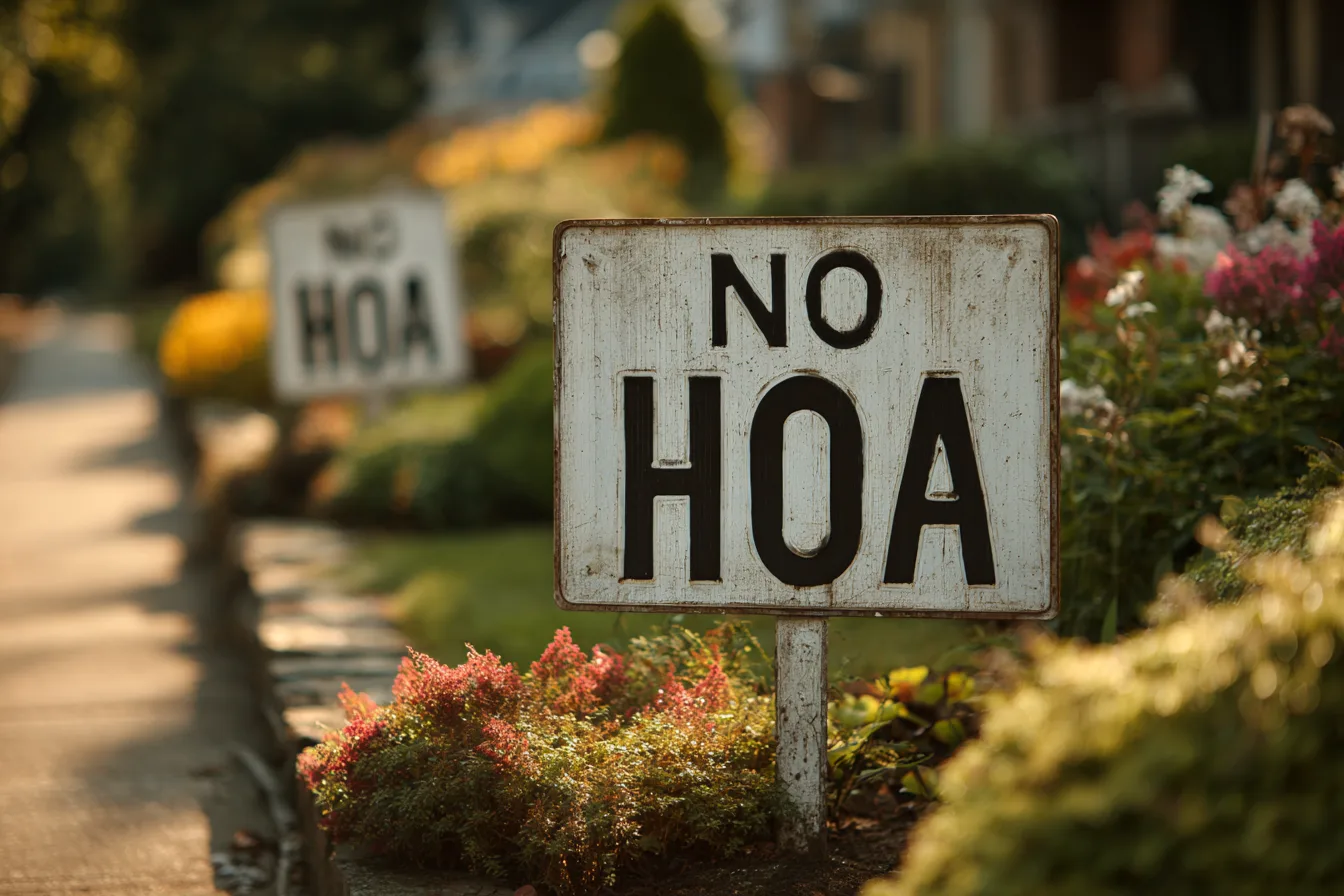
Barndominiums are moving into suburban and even master-planned communities, which means more owners are running into barndominium HOA rules. Unlike rural tracts with few restrictions, HOA-governed neighborhoods can tightly control architecture, materials, and even how your shop is laid out.
As professional barndominium builders, we see the same mistakes over and over: buyers close on a lot, fall in love with a barndo design, and only then discover their HOA will not approve the plans without significant changes—or at all. This guide walks you through how HOA rules actually work, what they can regulate, and how to design a compliant barndominium from day one.
How HOA Authority Works for Barndominiums
Every HOA is different, but they all get their authority from the same source: recorded governing documents, typically called CC&Rs (Covenants, Conditions & Restrictions). These are legally binding and usually enforceable by the HOA and other owners.
Core HOA Documents You Must Review
Before you assume anything about what you can build, request and study:
- CC&Rs (Covenants, Conditions & Restrictions) – The primary legal document that establishes what types of structures and uses are allowed.
- Architectural or Design Guidelines – Often more detailed than the CC&Rs, specifying materials, roof pitch, elevations, and landscaping standards.
- Bylaws and Rules & Regulations – Govern HOA operations and day-to-day use (parking, trailers, etc.), less about structural design but still relevant for shop and driveway use.
The Community Associations Institute, a widely recognized authority on community governance, provides extensive educational materials for both owners and boards at https://www.caionline.org/. It’s a useful reference if you want to understand how HOAs interpret and enforce their powers.
Common HOA Restrictions That Impact Barndominiums
HOAs rarely mention the word “barndominium” directly. Instead, the rules target features that are typical of many barndos. When we review documents for clients, these are the provisions that matter most.
1. Exterior Materials and Aesthetics
This is the number one friction point. Many barndominiums use:
- Exposed metal siding
- Large overhead doors facing the street
- Simple, rectangular footprints with minimal articulation
HOA standards may require:
- A minimum percentage of masonry, brick, or stone on street-facing elevations
- Prohibited or limited use of bare metal siding on the front façade
- Garage or shop doors to be side- or rear-loaded
- Approved color palettes and non-reflective finishes
We routinely design hybrid barndominiums that keep a steel structure for cost and speed, but apply HOA-compliant cladding—such as combination masonry and lap siding—to the visible sides.
2. Roof Pitch, Height, and Massing
Barndos often feature simpler rooflines than conventional custom homes. Many HOAs, however, specify:
- Minimum roof slope (e.g., 6:12)
- Maximum building height
- Requirements for multiple roof planes or gables on street-facing elevations
- Overhang dimensions and fascia details
Our design process balances structural efficiency with the roof forms needed to satisfy architectural review committees.
3. Minimum and Maximum Square Footage
Some HOAs prescribe minimum heated square footage that may exceed what many barndo owners initially plan. A shop-heavy barndominium with modest living area might not qualify.
Key questions to answer:
- Is minimum size based only on conditioned living area or total under roof?
- Is attached shop space counted at a different rate, or excluded entirely?
- Are there limits on the ratio of shop/garage to living area?
4. Shops, Garages, and Outbuildings
Barndominiums are prized for integrated shops, RV bays, and large garages. HOAs often regulate:
- Whether shops must be attached to the primary residence
- Maximum door height and width for garages and shops
- Orientation of overhead doors relative to the street
- Number and size of detached outbuildings
We frequently reconfigure barndominium layouts so the shop massing reads more like a traditional side-entry garage cluster to satisfy HOA aesthetics without giving up functionality.
Step-by-Step: How to Navigate Barndominium HOA Rules
To avoid costly redesigns or legal disputes, follow this sequence before you commit to a lot or final plan:
- Request all governing documents in writing.
Get the CC&Rs, design guidelines, and application forms directly from the HOA or management company. - Flag all provisions affecting structure and appearance.
Highlight rules on materials, roof pitch, setbacks, height, square footage, and outbuildings. - Schedule a pre-application discussion.
Ask to speak with the architectural review committee or manager. Clarify gray areas, such as how they classify metal-clad structures or shop space. - Engage a barndominium-experienced builder early.
Bring in professionals who routinely work with HOAs. Our team at https://www.barndobuilders.net/about/ is structured around exactly this type of front-end feasibility review. - Develop an HOA-conscious concept design.
Adjust façade materials, rooflines, and garage orientation to fit within stated rules while preserving your barndo’s core functionality. - Submit a complete, polished application package.
Include site plan, floor plans, elevations, color board, material samples, and any drainage/driveway details they request. Incomplete submissions are a common cause of delay or denial. - Get written approval before ordering or building.
Do not pull permits, order steel, or pour foundations until you have formal written approval and have confirmed any conditions.
What HOAs Can and Cannot Do
HOAs have wide latitude but are not unlimited. While the specifics vary by state, some general principles apply:
- They can enforce recorded covenants and design standards that apply uniformly to all similarly situated owners.
- They can require pre-construction review and approval of new homes and major alterations.
- They usually cannot arbitrarily deny an otherwise compliant design or enforce unwritten “rules” that conflict with governing documents.
- They usually cannot selectively enforce rules against one owner while ignoring identical violations by others without risk of challenge.
Many state attorney general and consumer protection websites offer guidance on HOA rights and responsibilities; search your state’s official .gov site for “homeowners association rights” to find jurisdiction-specific information.
Design Strategies to Make a Barndominium HOA-Friendly
Most conflicts between barndominium owners and HOAs can be resolved at the design table. Our team uses several proven strategies to align barndos with stricter communities:
Blend Barndo Structure with Residential Finishes
- Use a metal frame and roof for performance, but add masonry or fiber-cement siding on public elevations.
- Specify matte, non-reflective metal panels in HOA-approved colors for visible areas.
- Introduce porches, dormers, and window groupings to soften the commercial look.
Reconfigure Shop and Garage Presentation
- Rotate large overhead doors away from the primary street.
- Use carriage-style garage doors for street-facing bays.
- Step the shop mass back from the main living volume to reduce apparent bulk.
Optimize Rooflines Within Structural Limits
- Adjust truss design to achieve required roof pitch.
- Incorporate secondary gables or shed roofs where the structure allows.
- Use overhangs and fascia treatments that align with neighborhood character.
Why Work with a Barndominium Specialist in HOA Communities
Building a barndominium inside an HOA is a specialized discipline that merges structural engineering, aesthetics, and regulatory navigation. Partnering with a team that understands both steel structures and community standards dramatically reduces risk.
At Barndo Builders, we routinely:
- Review HOA documents for buildability implications
- Design HOA-compliant elevations without sacrificing barndo efficiency
- Coordinate plan revisions in response to architectural committee feedback
- Sequence approvals, permitting, and construction so you never build out of compliance
If you’re evaluating multiple communities, we can also help you compare HOA requirements to determine which neighborhoods are the best fit for your desired barndominium style and budget.
Final Thoughts on Barndominium HOA Rules
Barndominiums and HOAs are not automatically incompatible. The key is understanding that design freedom shrinks inside deed-restricted communities. The earlier you align your expectations, your lot selection, and your plans with the governing documents, the smoother—and faster—your path to move-in day will be.
With the right strategy and the right builder, you can enjoy the durability and flexibility of a barndominium and meet HOA standards in many planned communities.


What do you think?
It is nice to know your opinion. Leave a comment.