





Pole Barn Pros and Cons: What Homeowners Need to Know Before Building
If you are considering a barndominium or rural style home, understanding the full list of pole barn pros and cons is essential before making a decision. Pole barn construction has become one of the most popular alternatives to traditional home building thanks to its affordability, speed, and flexibility. However, it is not the perfect solution for every homeowner.
This guide breaks down the advantages and disadvantages in detail so you can confidently decide if a pole barn home aligns with your goals, budget, and long term lifestyle.
What Is a Pole Barn Home
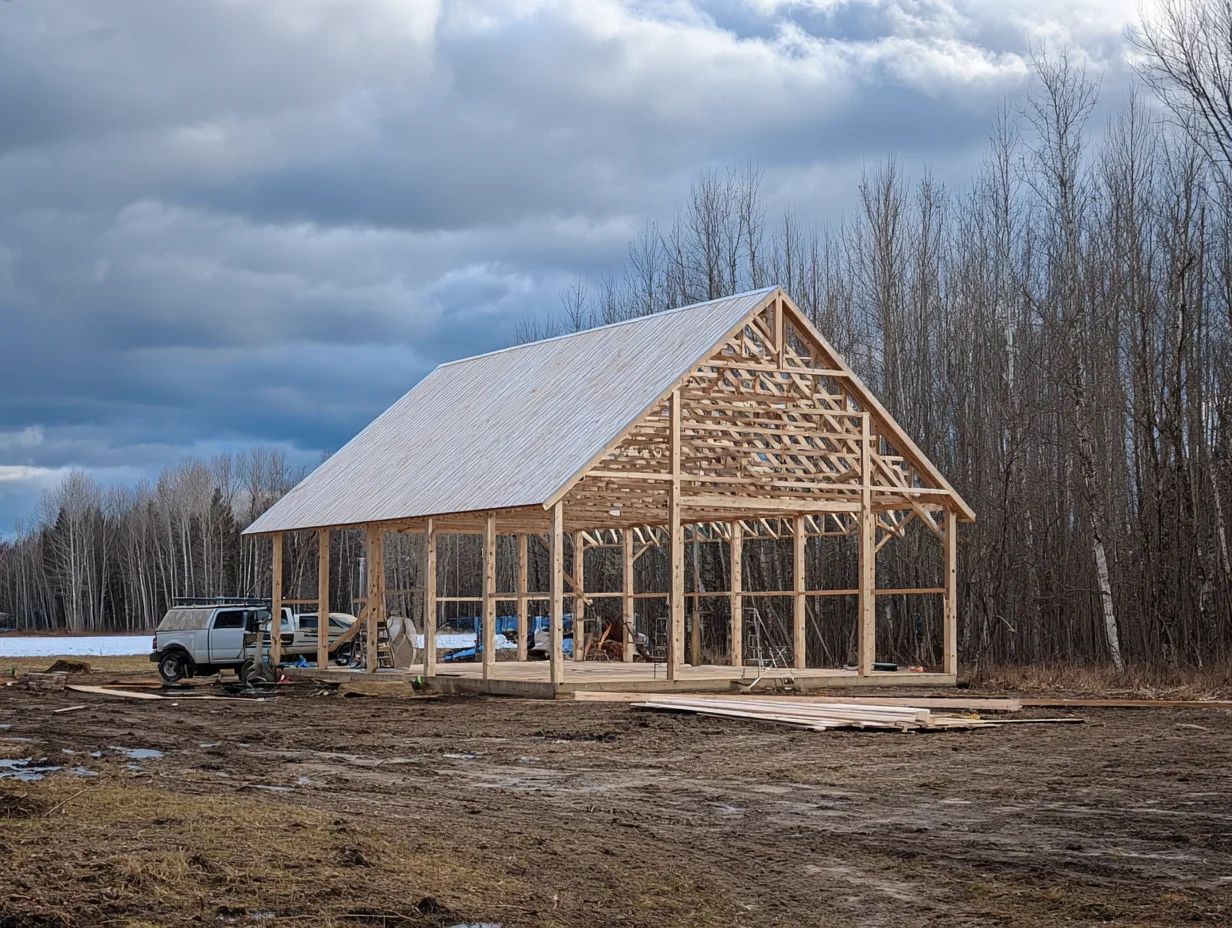
A pole barn home is a structure built using post frame construction, where large vertical posts are set into the ground or anchored to a foundation. These posts provide the structural support instead of traditional load bearing walls, allowing for wide open interior spaces.
Unlike conventional homes, pole barns require fewer materials and a simpler construction process. Learn more about the basics in this detailed guide on what is a barndominium.
Key Benefits of Pole Barn Homes
1. Lower Construction Costs
One of the biggest advantages is affordability. Pole barns typically cost significantly less per square foot than traditional homes.
- Reduced foundation requirements
- Fewer materials needed
- Lower labor costs due to faster builds
- Simplified structural system
According to National Association of Home Builders, material and labor efficiency plays a major role in reducing total build costs.
2. Faster Build Time
Speed is a major reason homeowners choose pole barn construction.
- Posts are installed quickly with minimal site prep
- Framing goes up faster than traditional stick builds
- Exterior shell can be completed in weeks
- Interior finishing can begin sooner
This makes pole barn homes ideal for buyers who want to move in quickly or reduce construction delays.
3. Flexible and Open Floor Plans
Because there are fewer load bearing walls, pole barns offer unmatched design flexibility.
- Wide open living spaces
- High ceilings and lofts
- Custom layouts tailored to your lifestyle
- Easy future modifications
For design inspiration, explore customizable barndominium floor plans.
4. Energy Efficiency Potential
When properly insulated, pole barn homes can be very energy efficient.
- Thicker wall cavities allow better insulation
- Reduced thermal bridging
- Opportunity for advanced insulation systems
The US Department of Energy highlights proper insulation as a key factor in overall home energy performance.
5. Durability and Structural Strength
Pole barns are engineered for strength and can withstand harsh weather conditions when built correctly.
- Pressure treated posts resist rot and pests
- Strong wind resistance due to anchored design
- Minimal settling compared to slab foundations
Key Drawbacks of Pole Barn Homes
1. Zoning and Building Code Challenges
Not all areas allow pole barn homes, and regulations can vary widely.
- Residential zoning restrictions
- Inspection and permitting complexities
- Local code compliance requirements
You can review general guidelines through your local municipality or resources like HUD.
2. Financing Can Be More Difficult
Some lenders are less familiar with pole barn homes, which can create financing hurdles.
- Limited loan options compared to traditional homes
- Stricter appraisal requirements
- Higher down payments in some cases
Understanding barndominium financing options can help you prepare for this process.
3. Perception and Resale Value
While growing in popularity, pole barn homes may still face resale challenges in some markets.
- Buyers unfamiliar with construction type
- Appraisal inconsistencies
- Limited comparable sales data
4. Insulation and Moisture Control Issues
If not built properly, pole barns can experience insulation and moisture challenges.
- Condensation buildup in metal structures
- Improper vapor barriers
- Air leakage if sealing is not done correctly
These issues can be avoided with proper planning and professional construction techniques.
5. Maintenance Considerations
While durable, pole barns still require regular upkeep.
- Exterior siding inspections
- Post integrity monitoring
- Roof and drainage maintenance
Pole Barn Pros and Cons Comparison
Advantages
- Lower overall construction cost
- Faster build timeline
- Flexible design options
- Energy efficiency potential
- Strong and durable structure
Disadvantages
- Zoning and permit restrictions
- Financing limitations
- Resale perception challenges
- Requires proper insulation planning
- Ongoing maintenance needs
Step by Step Decision Framework
Use this process to determine if a pole barn home is right for you:
- Check local zoning laws to confirm feasibility
- Set a realistic budget including land and utilities
- Explore design options that match your lifestyle
- Compare financing solutions available in your area
- Consult experienced builders with pole barn expertise
- Evaluate long term resale goals
Practical Checklist Before You Build
- Confirm land is suitable and properly zoned
- Get detailed cost estimates
- Choose a reputable builder
- Plan insulation and ventilation systems carefully
- Secure financing ahead of construction
- Design for both function and resale appeal
Key Takeaways
- Pole barn homes are cost effective and quick to build
- They offer flexible layouts and modern design possibilities
- Challenges include financing, zoning, and resale perception
- Proper insulation and moisture control are critical
- They are ideal for rural or semi rural settings
Frequently Asked Questions
What are the main advantages of pole barn homes
Pole barn homes are affordable, customizable, quick to construct, and energy efficient when properly insulated.
What are the disadvantages of pole barn construction
The main drawbacks include zoning challenges, financing limitations, potential resale concerns, and the need for proper moisture control.
Are pole barn homes cheaper than traditional homes
Yes, they are generally more affordable due to lower material and labor costs and simplified construction methods.
How long do pole barn homes last
With proper materials and maintenance, pole barn homes can last 50 years or more.
Are pole barn homes energy efficient
Yes, when built with proper insulation systems, they can be highly energy efficient and cost effective to maintain.
Do pole barn homes have good resale value
Resale value depends on location and market demand. In areas where barndominiums are popular, resale value can be strong.
Can you customize a pole barn home
Yes, pole barn homes offer flexible layouts and can be customized to fit modern, traditional, or rustic designs.
Is financing a pole barn home difficult
It can be more challenging than traditional homes, but many lenders now offer specialized loans for barndominiums.


What do you think?
It is nice to know your opinion. Leave a comment.