






Barndominium Size Guide: How Big Should Your Barndo Be?
Choosing the right size for your barndominium is one of the most important decisions in the entire building process. Go too small, and you’ll run out of space quickly. Go too large, and you may end up over budget or paying for unused square footage.
This barndominium size guide will help you determine the perfect square footage based on your lifestyle, land, and long-term goals. Whether you’re building a compact weekend retreat or a large multi-use home, understanding how size impacts cost, functionality, and design is essential.
What Is the Average Size of a Barndominium?
Most barndominiums fall within these ranges:
• Small: 800–1,500 square feet
• Medium: 1,500–2,500 square feet
• Large: 2,500–4,000+ square feet
Unlike traditional homes, barndominiums often include mixed-use spaces such as workshops, garages, or storage areas. This means total building size may be significantly larger than the actual living space.
According to the U.S. Census Bureau, the average new home in the U.S. is around 2,500 square feet—but barndominiums often prioritize flexibility over standardized layouts.
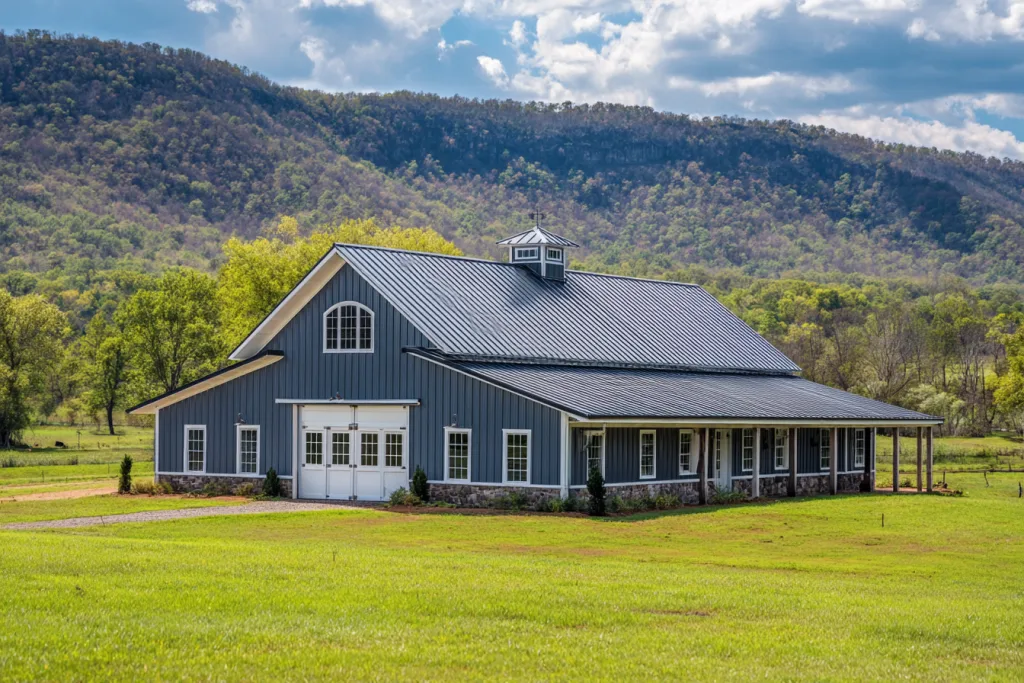
Barndominiums come in a wide range of sizes, from compact homes to large multi-use living spaces with garages and porches.
Key Factors That Determine Barndominium Size
1. Your Lifestyle Needs
Start with how you plan to live in the space. Ask yourself:
• How many bedrooms and bathrooms do you need?
• Do you work from home?
• Do you need a garage, shop, or barn space?
• Will you entertain guests frequently?
For example, a couple may be comfortable in 1,200 square feet, while a family of five may need 2,500+ square feet plus storage.
2. Budget Constraints
Size directly impacts cost. Larger buildings require more materials, labor, insulation, and finishing work.
Explore realistic cost expectations in this detailed guide:
barndominium cost calculator
General cost ranges:
• Small builds: Lower initial cost, faster construction
• Medium builds: Balanced affordability and space
• Large builds: Higher upfront cost but more flexibility
3. Land Size and Zoning Rules
Your property may limit your building footprint. Local zoning laws often dictate:
• Minimum setbacks
• Maximum building size
• Height restrictions
Check your local planning department or review guidance from HUD.
4. Future Growth Plans
Think long term. If you plan to expand your family or add new functionality later, it may be more cost-effective to build larger upfront.
Alternatively, you can design a scalable floor plan. Learn more here:
barndominium floor plans guide
Popular Barndominium Size Layouts
Small (800–1,500 sq ft)
Best for minimalists, couples, or vacation homes.
Typical features:
• 1–2 bedrooms
• Open-concept living area
• Compact kitchen
• Limited storage
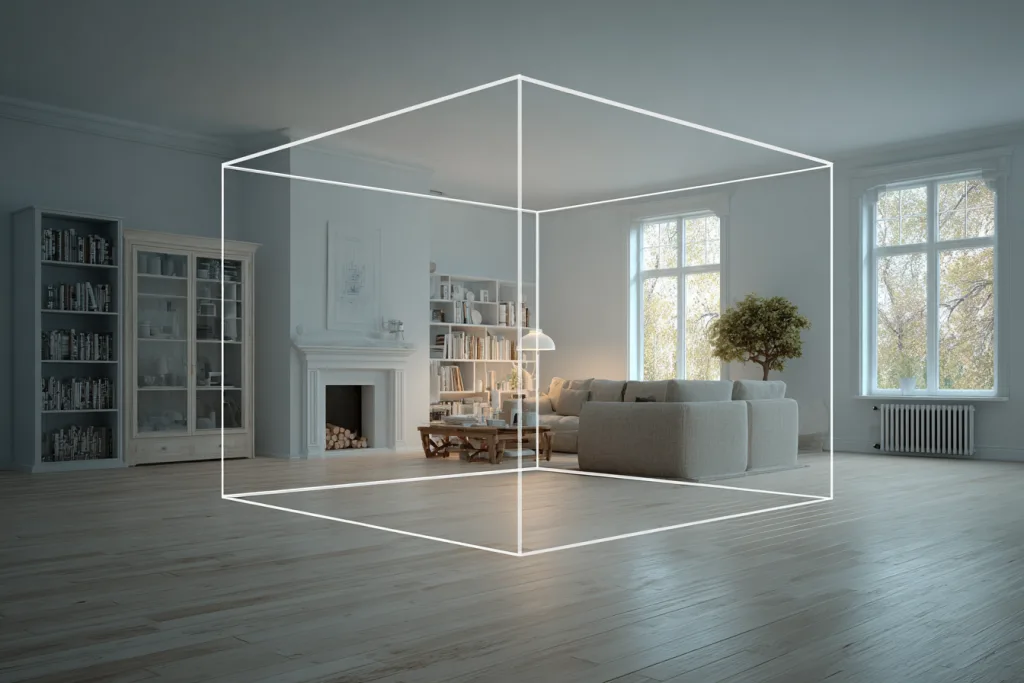
barndominium square footage layout example interior space planning open concept living area
Pros:
• Lower cost
• Faster build time
• Energy efficient
Cons:
• Limited expansion room
• Less flexibility
Medium (1,500–2,500 sq ft)
The most common range for full-time living.
Typical features:
• 2–4 bedrooms
• 2+ bathrooms
• Open kitchen and living areas
• Optional garage or shop
Pros:
• Balanced space and cost
• Ideal for families
• Flexible layout options
Cons:
• Higher cost than small builds
Large (2,500–4,000+ sq ft)
Best for large families or multi-use properties.
Typical features:
• 4+ bedrooms
• Large kitchens and living spaces
• Workshops or commercial areas
• Attached garages or barns
Pros:
• Maximum flexibility
• Multi-purpose use
• High resale appeal
Cons:
• Higher construction and maintenance costs
How to Calculate the Right Size for Your Needs
Follow this step-by-step approach:
1. List all required rooms (bedrooms, bathrooms, office, etc.)
2. Estimate square footage per room (100–400 sq ft typical)
3. Add shared living space (living room, kitchen, hallways)
4. Include garages, workshops, or storage areas
5. Add 10–15% extra for flexibility and future needs
Example:
• 3 bedrooms (150 sq ft each = 450 sq ft)
• Living/kitchen area (600 sq ft)
• Bathrooms + hallway (300 sq ft)
• Garage/workshop (800 sq ft)
Total: ~2,150 sq ft
Barndominium Size vs Cost Considerations
Cost increases with size, but not always proportionally.
Key cost insights:
• Basic shell cost is often priced per square foot
• Interior finishes vary widely
• Large open spaces can reduce interior wall costs
• Utilities and HVAC scale with size
For deeper cost insights, see:
barndominium kits cost guide
Practical Planning Checklist
Use this checklist before finalizing your barndominium size:
• Define your must-have rooms and spaces
• Set a realistic total budget
• Evaluate land size and zoning rules
• Plan for future expansion
• Consider maintenance and utility costs
• Review multiple floor plans
• Consult a builder or architect
Common Mistakes to Avoid
• Overbuilding beyond your budget
• Underestimating storage needs
• Ignoring future lifestyle changes
• Not accounting for workshop or garage space
• Choosing layout over functionality
Key Takeaways
• Most barndominiums range from 1,500 to 2,500 sq ft for comfortable living
• Your lifestyle and intended use should drive size decisions
• Larger builds offer flexibility but come with higher costs
• Always account for garages, shops, and future needs
• Smart planning prevents costly redesign later
Frequently Asked Questions
What is a good size for a barndominium?
A good size for most homeowners is between 1,500 and 2,500 square feet. This provides enough space for families while staying relatively cost-efficient.
Is it cheaper to build a smaller barndominium?
Yes, smaller barndominiums generally cost less due to reduced materials, labor, and utility needs. However, cost per square foot may be slightly higher due to fixed expenses.
How big should a barndominium be for a family?
A family typically needs 2,000–3,000 square feet depending on the number of bedrooms, storage needs, and additional spaces like offices or garages.
Can I expand my barndominium later?
Yes, many barndominiums are designed for expansion. Planning structural layout and utilities in advance makes future additions easier.
How much space do I need for a shop or garage?
Workshops and garages typically require 600–1,200 additional square feet depending on equipment, vehicles, and intended use.
Does size impact barndominium resale value?
Yes, larger and more functional layouts typically have higher resale appeal, especially if they include flexible spaces like workshops or guest areas.
What is the most cost-effective barndominium size?
Mid-sized builds (1,500–2,500 sq ft) tend to offer the best balance between affordability, comfort, and long-term value.
How do I choose the right floor plan?
Start with your lifestyle needs, then compare layouts. This resource can help:
find barndominium floor plans
FAQ Schema


What do you think?
It is nice to know your opinion. Leave a comment.