





Choosing the Right Metal Siding for Barndominiums: A Durability-First Guide
As dedicated barndominium builders, we design building envelopes so that the structure, insulation, and siding all work together. Below, we break down the technical factors that truly determine durability: base metal, coatings, panel profiles, fastening systems, and installation details.
Key Takeaways
- Durability starts with proper steel gauge (26 or 24) and corrosion protection (G-90 galvanized or Galvalume).
- Choose paint systems (SMP or PVDF) based on your climate, UV exposure, and desired color stability.
- Panel profile, fastening method, and trim details are as important as the metal itself for long-term performance.
- Correct installation, underlayment, and drainage design dramatically reduce maintenance and extend service life.
1. Understanding Metal Siding Substrates and Gauges
Most metal siding for barndominiums is cold-formed steel. The substrate and thickness (gauge) are the two most critical structural variables.
1.1 Steel Substrates: Galvanized vs. Galvalume
Modern siding panels typically use one of two corrosion-resistant coatings on the base steel:
- Galvanized (G-60, G-90): Zinc coating applied by hot-dip galvanizing. G-90 has more zinc and offers stronger corrosion resistance than G-60.
- Galvalume (AZ50, AZ55): Aluminum-zinc alloy coating. Often delivers superior long-term corrosion resistance, especially in rural and light industrial environments.
For residential barndominiums, we typically recommend G-90 galvanized or Galvalume with an appropriate paint system. In coastal or chemically aggressive environments, we evaluate exposure carefully and may specify heavier coatings or additional barriers.
1.2 Selecting the Right Gauge for Durability
Gauge is inversely related to thickness: the lower the number, the thicker and stronger the panel.
- 29-gauge: Thinner, primarily suited for agricultural sheds and low-risk outbuildings. More susceptible to oil canning and impact denting.
- 26-gauge: Common sweet spot for barndominiums; better stiffness and impact resistance while remaining cost-effective.
- 24-gauge: Premium thickness, ideal for high-wind, hail-prone, or heavy-snow regions and for applications where minimal deflection is desired.
We typically design barndominium envelopes with 26-gauge or 24-gauge siding, coordinated with framing design and local code requirements.
2. Exterior Coatings: Paint Systems and UV Stability
Once the substrate is set, the next durability lever is the paint system. This determines resistance to chalking, fading, and film integrity over decades.
2.1 Common Architectural Paint Systems
- Polyester / Silicone-Modified Polyester (SMP): Widely used for residential and light commercial metal siding. Offers a good balance of cost and performance, with acceptable color retention and chalk resistance in most climates.
- PVDF (Kynar 500® or equivalent): High-performance fluoropolymer coating. Exceptional color and gloss retention, superior resistance to harsh UV and chemical exposure, often specified for architectural and coastal projects.
In high-sun or coastal regions, PVDF systems typically justify their higher upfront cost due to reduced fading and extended appearance life. In moderate climates, quality SMP coatings are usually sufficient.
2.2 Matching Coatings to Climate and Maintenance Goals
When we design a barndominium envelope, we align coatings with both climate and owner expectations:
- Assess UV load (latitude, elevation, exposure).
- Evaluate chemical exposure (coastal salt, agricultural chemicals, industrial pollutants).
- Define target repaint or replacement horizon (e.g., 30+ years).
For example, a barndominium in a high-UV, inland climate may perform well with SMP, while a coastal home seeking 40+ years of stable color is a better fit for PVDF.
3. Panel Profiles and Structural Performance
Profile geometry affects stiffness, water shedding, and aesthetics. For barndominiums, considerations go beyond appearance.
3.1 Common Siding Panel Profiles
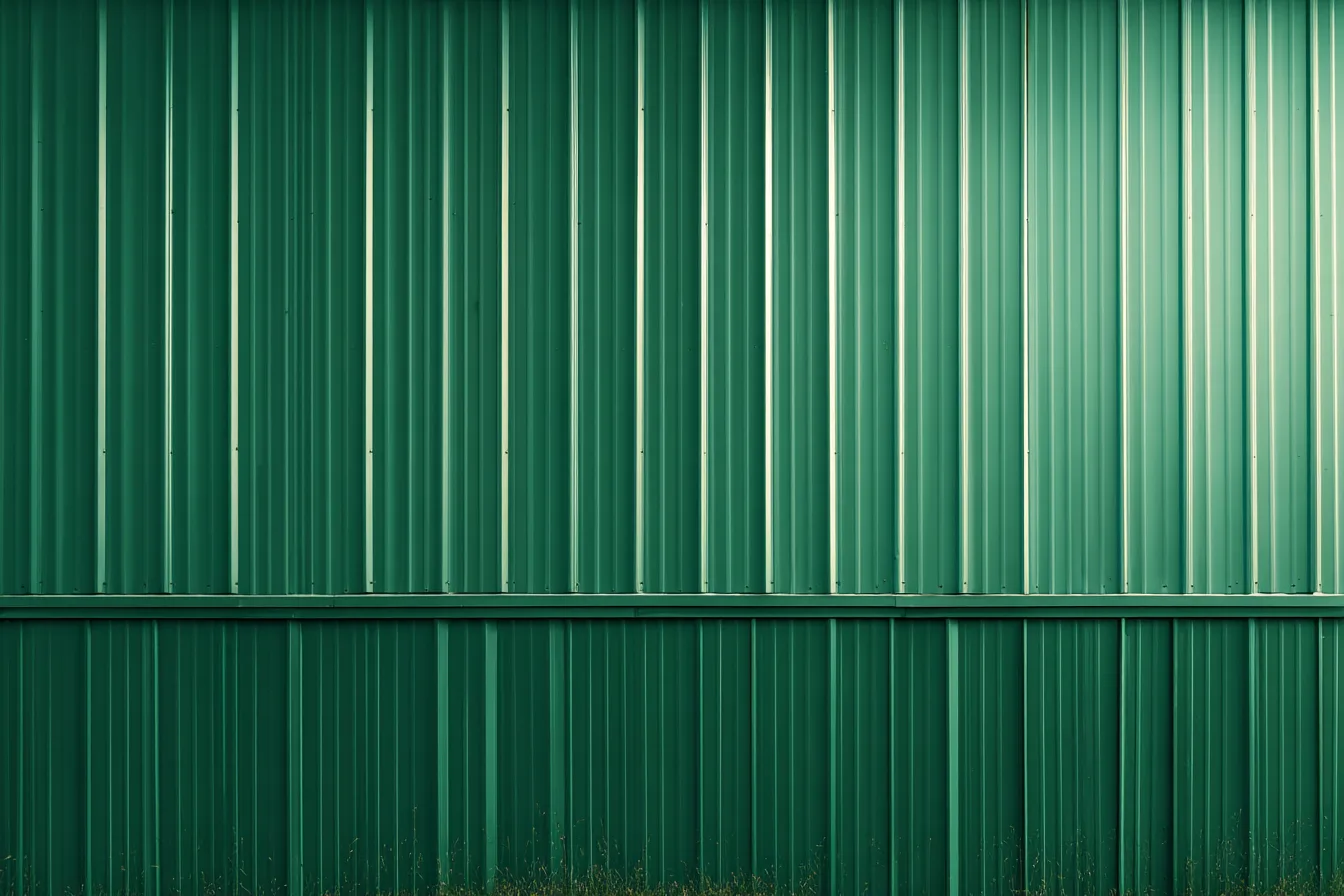
- Ribbed exposed-fastener panels: Traditional agricultural and light-commercial look. Ribs add stiffness and facilitate water flow.
- Board-and-batten lookalike panels: Provide a more residential appearance while maintaining metal performance.
- Flush or reveal (architectural) panels: Clean, modern lines. Require more precise substrate preparation and installation to avoid oil canning.
While exposed-fastener profiles are common and cost-effective, architectural profiles can be used strategically on feature walls or entries to elevate curb appeal without compromising durability.
3.2 Coordination with Framing and Building Design
Panel span capacity must align with framing layout and design pressures. During design of your barndominium and any related pole barns construction design, we ensure:
- Panel span ratings meet or exceed local design wind and snow loads.
- Framing spacing works with panel profiles to reduce deflection and vibration.
- Penetrations (doors, windows, utilities) are coordinated with rib locations and trim systems.
4. Fastening Systems: Exposed vs. Concealed
Fasteners are small components with outsized impact on longevity and maintenance.
4.1 Exposed-Fastener Systems
Exposed-fastener siding attaches panels directly through the face into framing.
Advantages:
- Lower material and labor cost.
- Faster installation, well-suited to large wall areas.
Durability considerations:
- Use fasteners with compatible metallurgy and high-quality EPDM or similar washers.
- Follow torque specifications to avoid over-driving and washer damage.
- Periodic inspection is prudent to confirm washers remain intact and fasteners tight.
4.2 Concealed-Fastener (Architectural) Systems
Concealed systems use clips or interlocking edges so fasteners are hidden from weather.
Advantages:
- Improved aesthetics with clean lines.
- Reduced direct UV and water exposure at fastener penetrations.
These systems demand tighter installation tolerances and careful detailing but can provide excellent long-term weather resistance when properly designed.
5. Moisture Management, Underlayments, and Thermal Design
Even the best metal siding for barndominiums will fail early if moisture management is neglected. Design must address bulk water, vapor diffusion, and thermal bridging.
5.1 Weather-Resistive Barriers and Ventilation
Behind metal siding, we typically specify:
- Continuous weather-resistive barrier (WRB): Properly lapped and taped housewrap or building wrap.
- Flashing and pan details: At windows, doors, and penetrations to direct water outward.
- Ventilated air space (when appropriate): Rainscreen assemblies that allow drainage and drying.
Good practice aligns with building-envelope principles promoted by leading industry bodies and roofing organizations such as the National Roofing Contractors Association.
5.2 Thermal Bridging and Insulation Strategy
Steel is conductive, so the wall assembly must account for thermal bridging. For barndominiums, we often pair metal siding with:
- Continuous exterior insulation to break thermal bridges at framing.
- High-density cavity insulation and air sealing at interior sheathing.
- Detailed window and door installations to integrate air and thermal barriers.
This holistic approach improves comfort, lowers energy bills, and reduces condensation potential within wall cavities.
6. Installation Quality and Long-Term Maintenance
Durability is highly dependent on installation. Even premium metal siding can underperform if detailing is incorrect.
6.1 Critical Installation Details
- Proper panel orientation and fastening pattern according to manufacturer specifications.
- Correctly formed and installed trims at corners, base, and eaves.
- Sealed but drainable window and door openings, preventing water from being trapped.
- Adequate clearance from grade to avoid wicking and mechanical damage from landscaping or snow removal.
6.2 Routine Maintenance Steps
Metal siding is low maintenance, not zero maintenance. To maximize service life:
- Annual rinse: Wash siding with low-pressure water and a mild detergent, especially in coastal or dusty regions.
- Gutter and downspout maintenance: Keep water directed away from walls and foundations.
- Vegetation control: Keep plants and mulch from contacting siding to prevent trapped moisture.
- Surface inspection: Address scratches or impact damage early with manufacturer-approved touch-up coatings.
- Fastener check: Periodically confirm that exposed fasteners and sealants are in good condition.
7. Integrating Metal Siding Into Your Overall Barndominium Plan
Choosing the right metal siding for barndominiums is inseparable from the broader building design: framing type, roof system, insulation strategy, and site conditions all influence optimal siding selection.
During planning, we evaluate:
- Local code and design load requirements.
- Climate, exposure, and target maintenance profile.
- Desired architectural style and color palette.
- Integration with attached shops, garages, or agricultural spaces.
If you are also planning accessory structures, our experience in pole barns construction design ensures consistent material choices and detailing across the entire property, optimizing both performance and aesthetics.
FAQ: Metal Siding for Barndominiums
What type of metal siding is best for barndominiums?
For most barndominiums, 26-gauge, G-90 galvanized or Galvalume steel with an SMP or PVDF paint finish delivers a strong balance of strength, corrosion resistance, and appearance. In high-wind or hail-prone regions, upgrading to 24-gauge provides added stiffness and impact resistance.
How long does metal siding on a barndominium last?
With proper substrate selection, high-quality coatings, and correct installation, metal siding can routinely deliver 40+ years of service life. Periodic washing, fastener inspection, and prompt repair of localized damage help ensure the siding reaches or exceeds its projected lifespan.
Does metal siding make barndominiums louder in rain or hail?
Not when properly designed. The combination of sheathing, insulation, and interior finishes significantly dampens sound transmission. A well-detailed wall assembly with modern insulation and interior drywall typically experiences interior sound levels similar to those of conventional homes, even during heavy rain.


What do you think?
It is nice to know your opinion. Leave a comment.