





Navigating Building Permits for Metal Homes in 2026: Barndominium Legal Guide
- Barndominium building permits follow the same legal framework as conventional homes, but metal framing and mixed-use designs add extra review steps.
- You must align zoning, structural engineering, energy code compliance, and inspections before you can legally occupy a metal home.
- Working with experienced barndominium builders dramatically reduces delays, redesigns, and permit rejections.
Why Barndominium Building Permits Matter in 2026
In 2026, local jurisdictions are tightening enforcement around alternative housing, including metal homes and barndominiums. While these structures are cost‑efficient and fast to erect, skipping or mishandling barndominium building permits can lead to stop‑work orders, fines, and insurance or lending problems.
Building departments are increasingly familiar with metal buildings, but they still expect full compliance with modern residential codes, structural design standards, and safety regulations from agencies such as OSHA for construction safety practices on site.
Core Permit Types for Barndominiums
Most jurisdictions will require several distinct approvals before and during construction of a metal home.
1. Zoning and Land-Use Approval
Before you submit a building permit, the property must be legally eligible for a barndominium. Zoning addresses:
- Use classification: Residential, accessory dwelling, agricultural, or mixed use (shop + residence).
- Density and size: Minimum lot area, maximum floor area ratio, and height limits.
- Setbacks: Required distances from property lines, easements, and roads.
- Special overlays: Floodplains, wildfire zones, coastal zones, or historic districts.
2. Building Permit for the Structure
This is the central approval for your barndominium. Plan reviewers evaluate:
- Structural design: Engineered plans for metal framing, foundation, wind/snow loads.
- Life safety: Exits, smoke/CO alarms, fire separation between shop and living areas.
- Energy and mechanical systems: Insulation, HVAC sizing, duct layout, ventilation.
- Accessibility (where applicable): Clearances, ramps, and universal design elements.
3. Trade Permits (Sub-Permits)
These may be separate applications or combined, depending on your locality:
- Electrical permit
- Plumbing permit
- Mechanical/HVAC permit
- Septic or sewer connection permit
- Driveway / right-of-way or culvert permit (common for rural parcels)
4. Occupancy Certificate
After final inspections, you receive a Certificate of Occupancy (CO). Without it, living in the barndominium is often illegal, and lenders or insurers may refuse coverage.
Step-by-Step: How to Secure Barndominium Building Permits
The 2026 permitting process varies by state and county, but the workflow is broadly similar.
Step 1: Research Codes and Local Amendments
Identify which code set your jurisdiction uses (e.g., 2021 IRC/IBC with local amendments). Many rural counties adopt state codes with modifications for wind, seismic, or snow loads. Confirm whether metal buildings fall under residential, commercial, or agricultural exemptions.
Step 2: Align Your Design with Zoning
- Check allowed uses and minimum lot size.
- Confirm height limits and maximum building footprint.
- Map required front, side, and rear setbacks.
- Address outbuildings, attached shops, and RV bays in the site plan.
At this stage, experienced barndominium builders help refine layouts and massing so your concept stays compliant without sacrificing functionality.
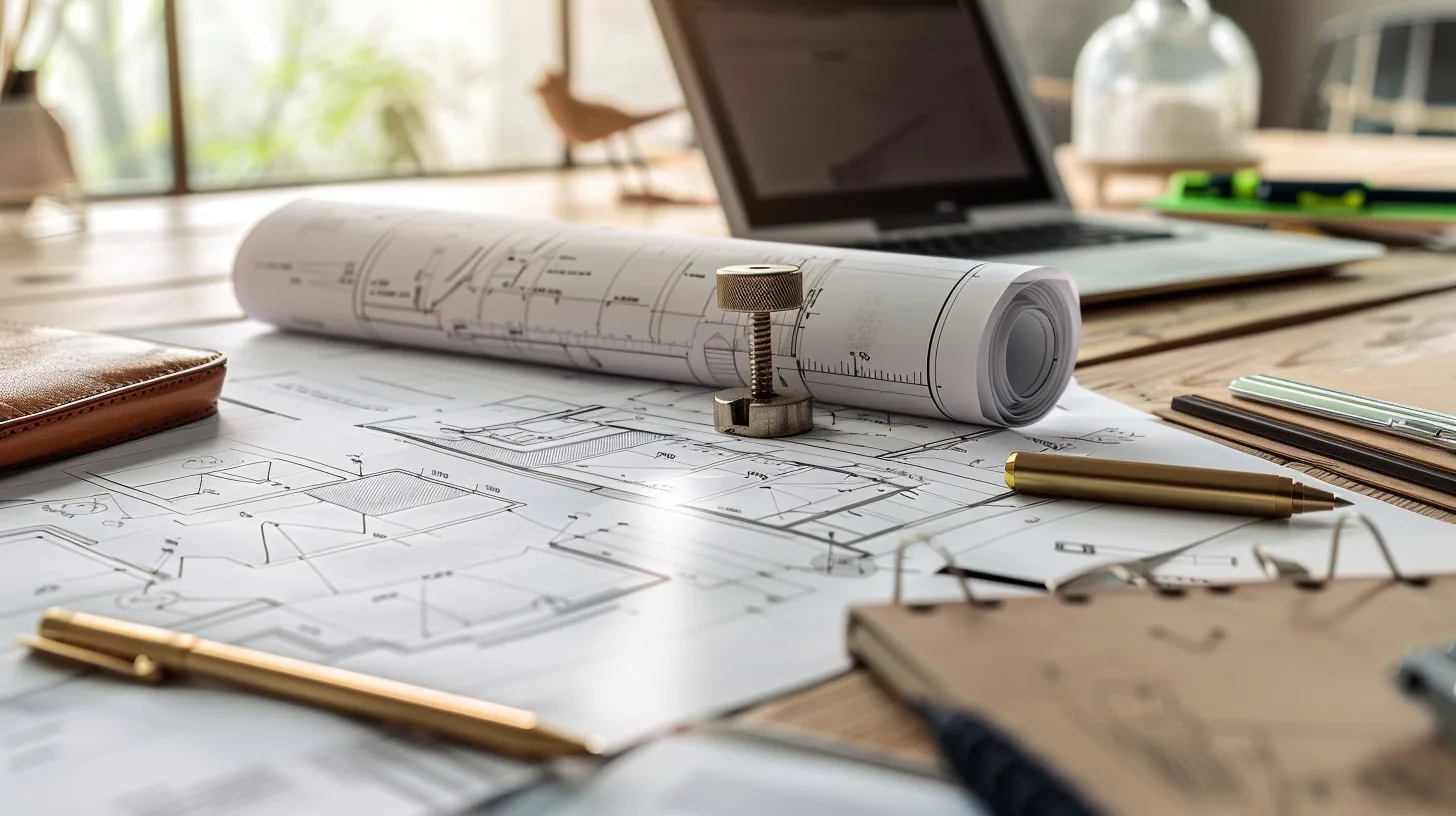
Step 3: Prepare Construction Documents
Plan reviewers expect a professional-grade package, including:
- Site plan: Property boundaries, easements, setbacks, driveways, drainage, septic or utility connections.
- Architectural drawings: Floor plans, elevations, building sections, door/window schedules.
- Structural set: Stamped engineered drawings for the metal shell, foundation, and any cold-formed or hybrid framing.
- MEP plans: Mechanical, electrical, and plumbing layouts and specifications.
- Energy compliance documentation: REScheck, state-specific energy forms, or performance modeling.
Step 4: Submit Permit Applications and Pay Fees
Most building departments now accept digital submissions. Typical components include:
- Completed application forms (owner, contractor, parcel data).
- Licensed design professional and contractor information where required.
- Proof of ownership or authorization to build.
- Impact, plan review, and permit fee payments.
Step 5: Respond to Plan Review Comments
It is common for reviewers to issue comments or corrections, especially for barndominiums with mixed residential and workshop space. Common issues include:
- Improper fire separation between garage/shop and living areas.
- Insufficient insulation or thermal breaks for metal framing.
- Undersized beams or purlins for snow/wind loads.
- Noncompliant egress windows or stair geometry.
A builder who regularly navigates barndominium building permits can usually resolve these quickly with targeted revisions instead of complete redesigns.
Step 6: Schedule Inspections
Once permits are approved and construction begins, inspections enforce compliance and safety. Typical inspection milestones:
- Footing/foundation
- Underground plumbing and electrical
- Framing and structural shell (including metal building connections)
- Rough-in mechanical, electrical, and plumbing
- Insulation and air sealing
- Final building and systems inspection
During all phases, contractors must follow jobsite safety standards such as fall protection, equipment operation, and hazard communication practices addressed in OSHA guidelines.
Barndominium-Specific Code and Permit Challenges
Mixed-Use Spaces: Shop + Home
Many metal homes integrate large garages, RV bays, or workshops. Building departments may treat these as separate occupancies, requiring:
- Fire-rated walls/ceilings between shop and living areas.
- Self-closing, fire-rated doors.
- Dedicated ventilation and exhaust for fuel-burning appliances.
- Limits on fuel and chemical storage near habitable areas.
Energy Code and Thermal Performance
Metal construction can create thermal bridges, making it harder to meet state or local energy codes. Plan reviewers may request details showing:
- Continuous exterior insulation or advanced cavity insulation strategies.
- Thermal breaks at framing and slab edges.
- High-performance windows and doors.
- Verified air-sealing and blower-door test results (in stricter jurisdictions).
Structural Engineering for Metal Frames
Pre-engineered metal building packages must be adapted for residential loads, openings, and interior framing. Reviewers will look for:
- Engineer-of-record stamp licensed in your state.
- Complete load paths for gravity, wind, and seismic forces.
- Connection details between metal frame, foundation, and any wood infill.
- Deflection limits compatible with residential finishes like drywall.
Financing, Insurance, and Permit Compliance
Lenders and insurers increasingly scrutinize barndominiums. They often require copies of:
- Approved permit sets and engineering stamps.
- Inspection records and final Certificate of Occupancy.
- Verified square footage and use classification (residential vs. mixed use).
Clean documentation not only protects you legally but also supports better appraisals and future resale value. Partnering with a builder who understands both permitting and value engineering, like the team behind our dedicated barndominium builders service page, helps align code compliance with long-term financial goals.
Practical Tips to Avoid Permit Delays
- Engage early: Schedule a pre-application meeting with the building department.
- Use experienced professionals: Architects, engineers, and builders familiar with metal homes reduce back-and-forth.
- Document everything: Keep digital copies of all approvals, revisions, and inspection reports.
- Respect timelines: Many permits expire if work does not start or inspections are not requested within set periods.
- Plan for contingencies: Weather, supply chain issues, and design changes can require permit revisions—budget time and funds accordingly.
Frequently Asked Questions About Barndominium Building Permits
Do rural properties still need permits for barndominiums?
In some agricultural zones, certain nonresidential metal buildings may be exempt, but once you introduce sleeping areas, kitchens, or permanent utilities, most states require full residential permitting. Always confirm with your county or parish.
Can I act as my own general contractor?
Many jurisdictions allow owner-builders for primary residences, but they still hold you to the same code standards as licensed contractors. If you choose this route, consider partnering with a professional metal home designer or builder for plan preparation and structural details.
What happens if I change the design after permits are issued?
Minor interior layout changes may be handled in the field, but structural modifications, footprint increases, or occupancy changes usually require a formal revision submittal. Failing to update permits can create compliance issues at final inspection.


What do you think?
It is nice to know your opinion. Leave a comment.